
Metal-Tipped Shoelaces: Define the Supplied Assembly
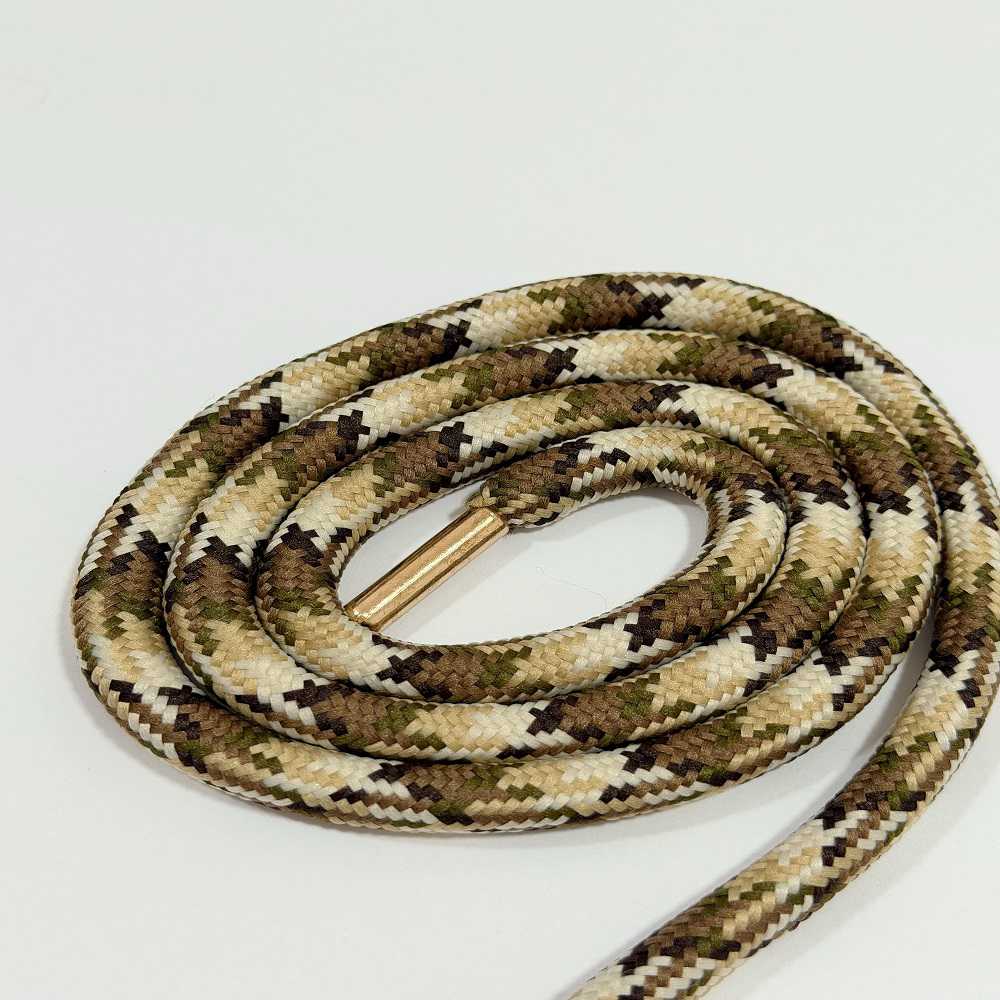
The metal-head listing shows a camouflage round cord and a gold-coloured end. Confirm the delivered assembly; appearance does not identify the end alloy or attachment method.
For a metal aglet shoelace assembly RFQ, identify whether the offer is a finished cord with fitted ends, a loose end fitting, or another expressly described component. Jiaying’s metal-head product page describes a camouflage round lace, names Polyester and lists an 80CM–210CM size range. Its photograph shows a gold-coloured end on the cord. Convert those references into one supplier-confirmed assembly description before comparing samples or issuing a purchase specification.
A search for metal tipped shoelaces wholesale can return products described by their most noticeable feature. The words “metal head” alone do not define everything delivered. A footwear buyer may need complete replacement laces, while a clothing buyer may be enquiring about a cord component. The supplier’s response should name the offered item clearly rather than rely on the product title to carry that distinction.
Start with the actual camouflage cord reference
Use the metal-head cord listing as the product anchor. Its fields state Color: camouflage, Material: Polyester and Purpose: suitable for shoe accessories. Retain that wording beside the product URL. The page’s long title also mentions clothing and pants drawstrings; this wider naming does not establish that a loose metal component or a different drawstring assembly is the current offer.
Ask the supplier to describe the finished item being quoted and identify the corresponding sample. Keep any alternative construction on a separate proposal. This is a supplied-assembly question: the record should explain which physical parts arrive together, without replacing that answer with a catalogue length or a commercial unit.
Separate the textile body from the end fitting
Build the camouflage round lace end fitting specification around two linked descriptions. One identifies the cord body, including the selected catalogue reference and the supplier’s material declaration. The other identifies the fitted end, its appearance reference and the version proposed for that cord. Ask the supplier which parts its material statements cover.
The page names Polyester and calls attention to a metal toe or head in its prose. Do not turn Polyester into an alloy description or a gold-coloured surface into a claim of gold composition. Request the supplier’s stated metal, finish and component identification if those details belong in your buying file. The photograph provides a useful visible reference, while a written component description supplies a different kind of information.
Assembly field
Catalogue starting point
Response to request
Delivered form
Metal-head cord listing
Finished lace or separately identified component
Cord body
Camouflage; Polyester
Offered body reference and applicable declaration
End fitting
Visible gold-coloured end
Fitting identity, stated material and finish
Completed assembly
Product presentation photograph
End count and supplied attachment condition
Separate non-crossing flat-lace reference. Its visible ends are not the agreed construction for the camouflage round cord.
Request views that identify the offered construction
Ask for a clear overview of the complete offered lace and separate close views of its ends. The overview identifies the assembly; the close views make the end profile and its relationship to the cord easier to discuss. Have the supplier state how many fitted ends belong to the delivered item rather than counting visible features in a coiled gallery photograph.
Where the end profile matters to your product review, request a component drawing or dimensions with named reference points. Keep those requests separate from any assumption about a shoe eyelet or garment opening. Neither the photographed shape nor a product application phrase establishes compatibility with the buyer’s particular component. This guide does not prescribe an attachment process or make a strength, wear, snagging or corrosion claim.
Keep other lace constructions separate
The supplier also lists non-crossing flat laces and cotton-style flat laces. Their pictures are useful category comparisons: they show why an end treatment should remain attached to its own product reference. Do not transfer a visible flat-lace end, a textile appearance or a component description to the camouflage round item.
For a finished shoelace versus loose metal tip enquiry, send one primary request and identify any alternative explicitly. If you want only fittings, ask whether that separate item is offered and request its own description. If you want finished laces, ask the response to include the fitted-end condition as part of the complete assembly. This avoids comparing a component proposal with a finished-product proposal under the same informal name.
Separate cotton-style flat-lace bodies illustrate another product reference. This photograph does not specify the end fitting supplied on the round cord.
Bind the answer to the returned sample
Put the assembly description, component references and sample identification on one dated record. Ask the supplier to link its returned photographs and written answer to that version. If a different end finish or construction is proposed, keep the changed field visible so the purchasing team can decide which sample it is reviewing.
Identify the complete delivered item first.
Record cord and end-fitting descriptions separately.
Connect both descriptions to the same sample version.
Keep loose-component alternatives outside the primary assembly description.
A practical enquiry reads: “Please confirm the delivered form for this camouflage metal-head cord. Identify the cord and fitted-end versions, state the number and condition of supplied ends, and link the component descriptions to the proposed sample.” Add your own requested commercial quantities separately. For dimensional questions, use the separate finished-lace length reference; keep that measurement record connected to the selected assembly.
Frequently asked questions
Does “metal head” mean loose tips are supplied?
It does not define a separate-component offer. Ask the supplier to name the delivered form and identify any loose-fitting alternative separately.
Does the gold-coloured end identify its alloy?
No. Record the appearance reference and request the supplier’s metal and finish descriptions for the offered component.
Can another flat lace provide the end specification?
Use each product’s own confirmed component record. Similar colour or a nearby catalogue listing does not make two end constructions interchangeable.
Send the selected assembly reference through Jiaying’s contact page, with the open component questions and the sample version you want confirmed.
Wholesale ShoelacesComponent SpecificationRFQ PreparationSample Approval