
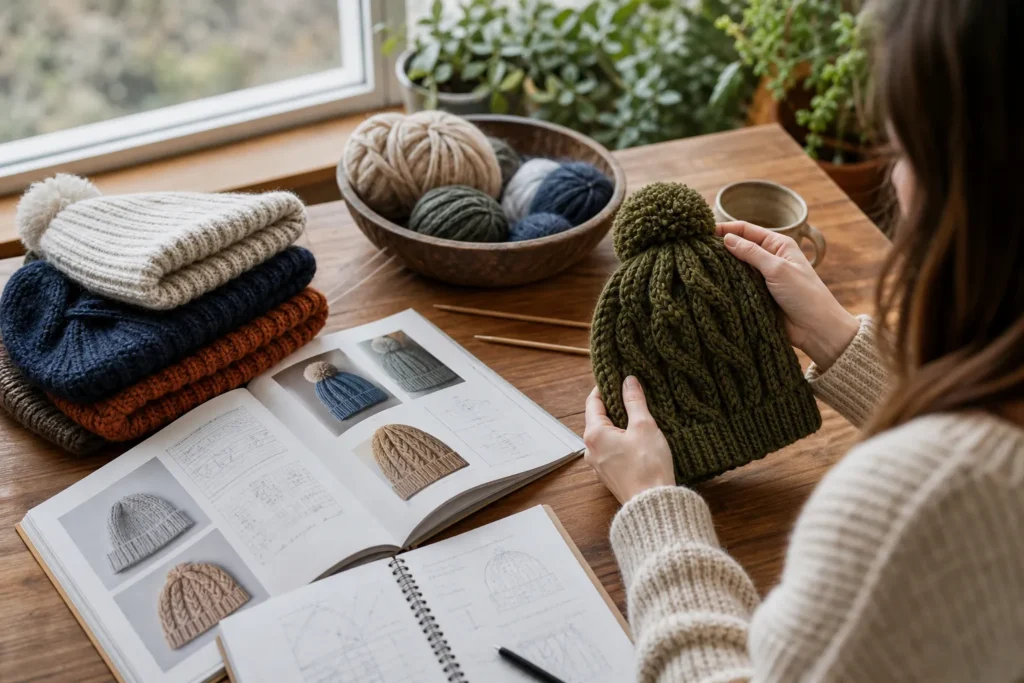
Choosing the Right Beanie Knitting Pattern: A Guide
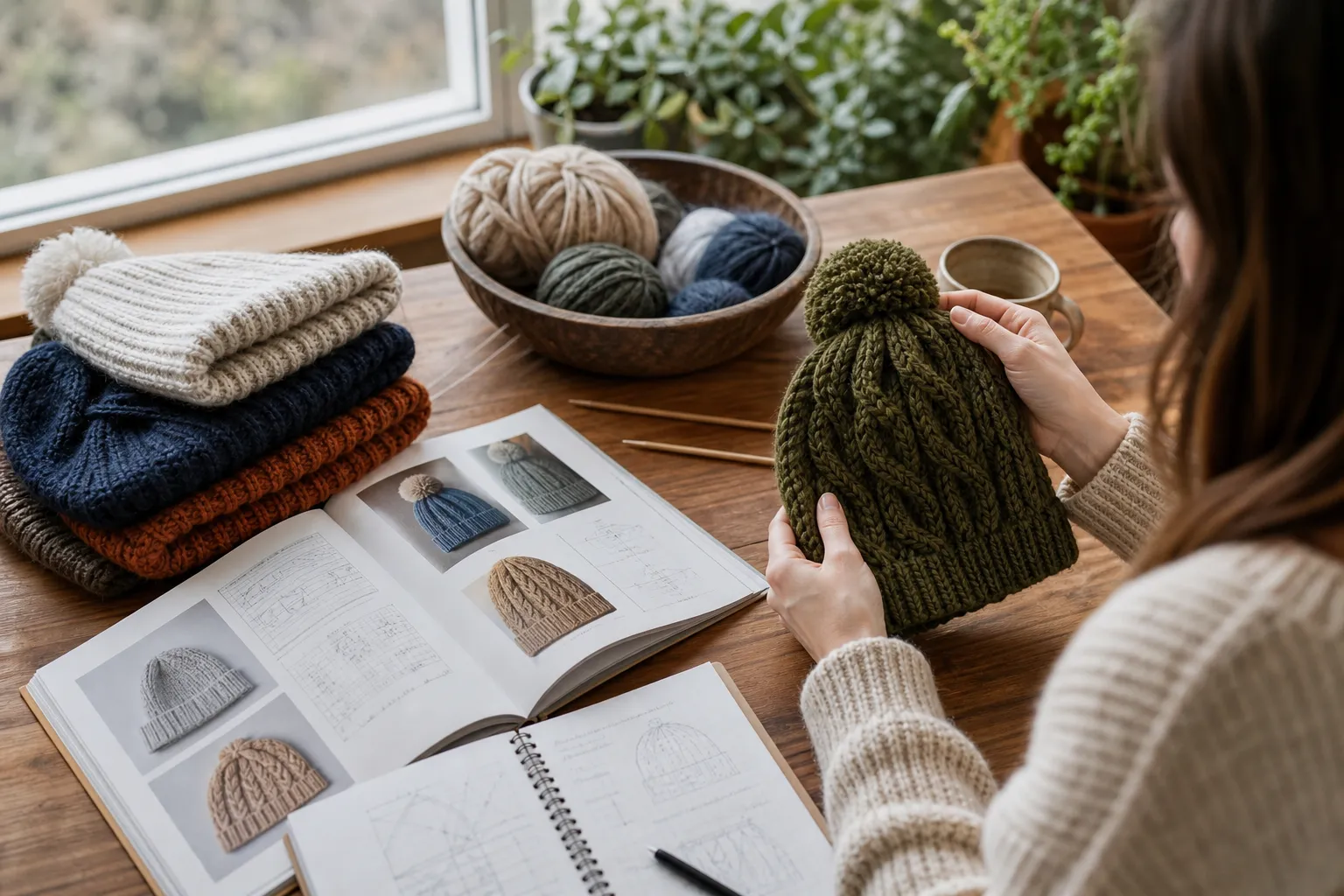
Choosing the right beanie knitting pattern can significantly impact your knitting experience. Whether you are a beginner or an experienced knitter, identifying your needs is the first step toward selecting a suitable pattern.
In this guide, we will explore various beanie knitting patterns, providing a comparative analysis of popular options. By understanding the strengths and weaknesses of each pattern type, you can make an informed decision that aligns with your personal taste and project goals. We will also highlight common mistakes to avoid.
Identifying Your Needs
When choosing a beanie knitting pattern, clarify your specific needs. Consider whether the beanie will be a personal project, a gift, or an accessory. Each purpose may influence your choice of design, yarn, and complexity of the knitting pattern.
For instance, if knitting for a child, prioritize softer yarns and whimsical patterns. For a fashion-forward adult, opt for intricate designs that showcase bold colors or unique stitch techniques.
Climate also plays a crucial role. In colder regions, thicker yarns and tightly knitted patterns provide better warmth. Patterns incorporating cables or double layers are ideal for winter wear, while lighter yarns suit transitional seasons.
Be mindful of common pitfalls, such as selecting a pattern overly complicated for your skill level or one that doesn’t match your yarn choice. Always verify that the recommended yarn weight aligns with your expectations for warmth and texture.
Comparative Analysis of Popular Beanie Knitting Patterns
Understanding the differences among popular styles can significantly impact your project outcomes. Focus on three main factors: style, skill level, and yarn requirements.
Style
Beanies come in various styles, including cuffed, slouchy, and pom-pom options. Cuffed beanies provide a snug fit, while slouchy beanies offer a relaxed look. For a trendy appearance, consider patterns with unique stitch designs or colorwork.
Skill Level
Know your knitting skill level. Beginners should start with simple patterns requiring basic stitches, while intermediate and advanced knitters can explore intricate designs involving cables or lacework.
Yarn Requirements
Yarn choice affects the final look and feel of your beanie. Different patterns may call for varying weights of yarn, from lightweight cotton for spring beanies to heavier wool for winter wear. Always check the pattern specifications.
Comparison Table of Popular Beanie Patterns
| Pattern Style | Skill Level | Yarn Weight | Features |
|---|---|---|---|
| Cuffed Beanie | Beginner | Worsted | Snug fit, easy to modify |
| Slouchy Beanie | Intermediate | Bulky | Trendy, more room for styling |
| Pom-Pom Beanie | Advanced | Worsted | Fun, decorative element |
Common Mistakes to Avoid When Selecting a Pattern
Several common pitfalls can derail your project. Understanding these mistakes can save you time and frustration.
One frequent error is ignoring gauge. Failing to check your gauge can lead to a beanie that is too tight or loose. Always knit a swatch to measure your stitches per inch.
Another mistake is choosing a pattern that exceeds your skill level. While it may be tempting to tackle an intricate design, this can lead to confusion. Instead, opt for a pattern that matches your abilities.
Additionally, many knitters overlook yarn availability. A beautiful pattern can become a headache if the recommended yarn is discontinued. Ensure the yarn is accessible before committing.
To navigate these issues effectively:
- Always knit a gauge swatch to confirm your measurements.
- Assess your skill level realistically and choose patterns that match it.
- Research yarn availability before selecting a pattern.
Practical Steps for Choosing Your Pattern
To select the right beanie knitting pattern, start by assessing your skill level. This helps narrow down options that match your abilities. For beginners, simpler patterns with basic stitches are ideal.
Next, consider the style of beanie you want to create. Do you prefer a slouchy fit, a snugger beanie, or a ribbed style? Each design has different construction methods.
After identifying style preferences, match the yarn weight specified in the pattern with what you plan to use. If you find a pattern you love but it calls for a weight you don’t have, look for alternatives that suit your yarn stash.
Lastly, check community feedback on platforms like Ravelry. Reading reviews from other knitters can provide insight into the pattern’s clarity and challenges.
By following these steps—assessing your skills, choosing a style, matching yarn weight, and reading reviews—you’ll be better positioned to select a beanie knitting pattern that meets your needs.
Frequently Asked Questions
How can I adjust patterns for different sizes? Adjusting a beanie knitting pattern for size typically involves changing the number of stitches cast on and the length of the body. Make a swatch to match the gauge; this will help you determine how many stitches you need.
What are the best yarn types for warmth? For warmth, opt for yarns like wool or alpaca. These fibers trap heat effectively. Avoid cotton or acrylic for winter beanies, as they do not provide adequate warmth.
What tips do you have for beginners? Start with simple designs that don’t require complex stitch patterns. Patterns labeled as “easy” often have fewer stitches and simpler construction methods.
Are there free resources for finding beanie knitting patterns? Yes, websites like Ravelry and Yarnspirations offer a variety of free patterns and user reviews.
Can I use leftover yarn for a beanie? Absolutely! Just ensure that the yarn weight is consistent for a cohesive look.
#选购/选择指南与对比清单