
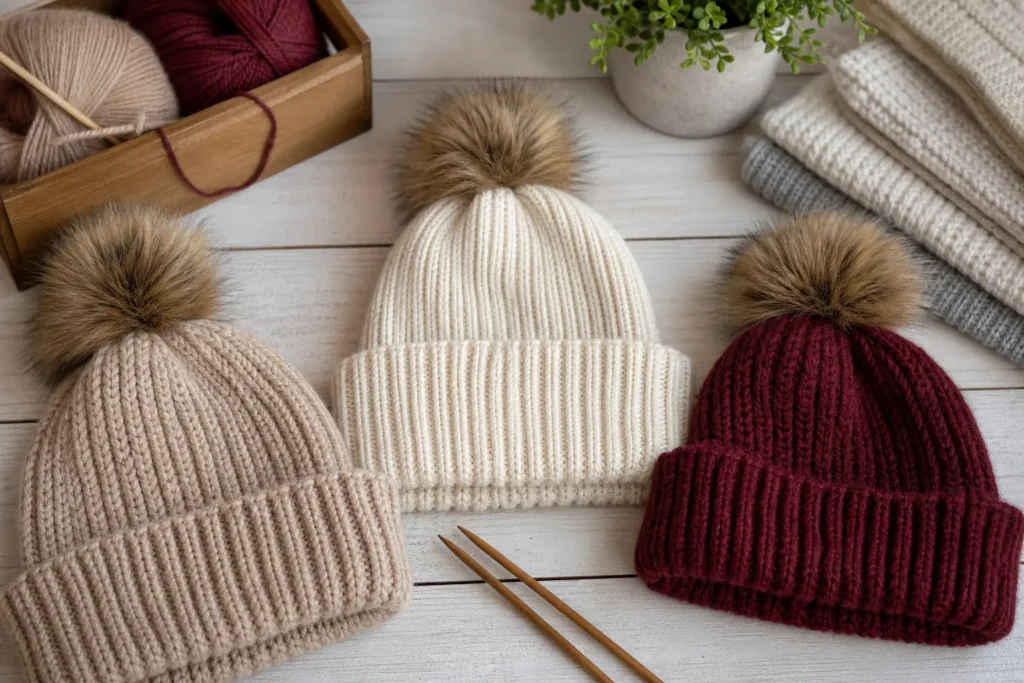
Beginner’s Guide to Beanie Knitting Patterns: Quick Steps and Tips
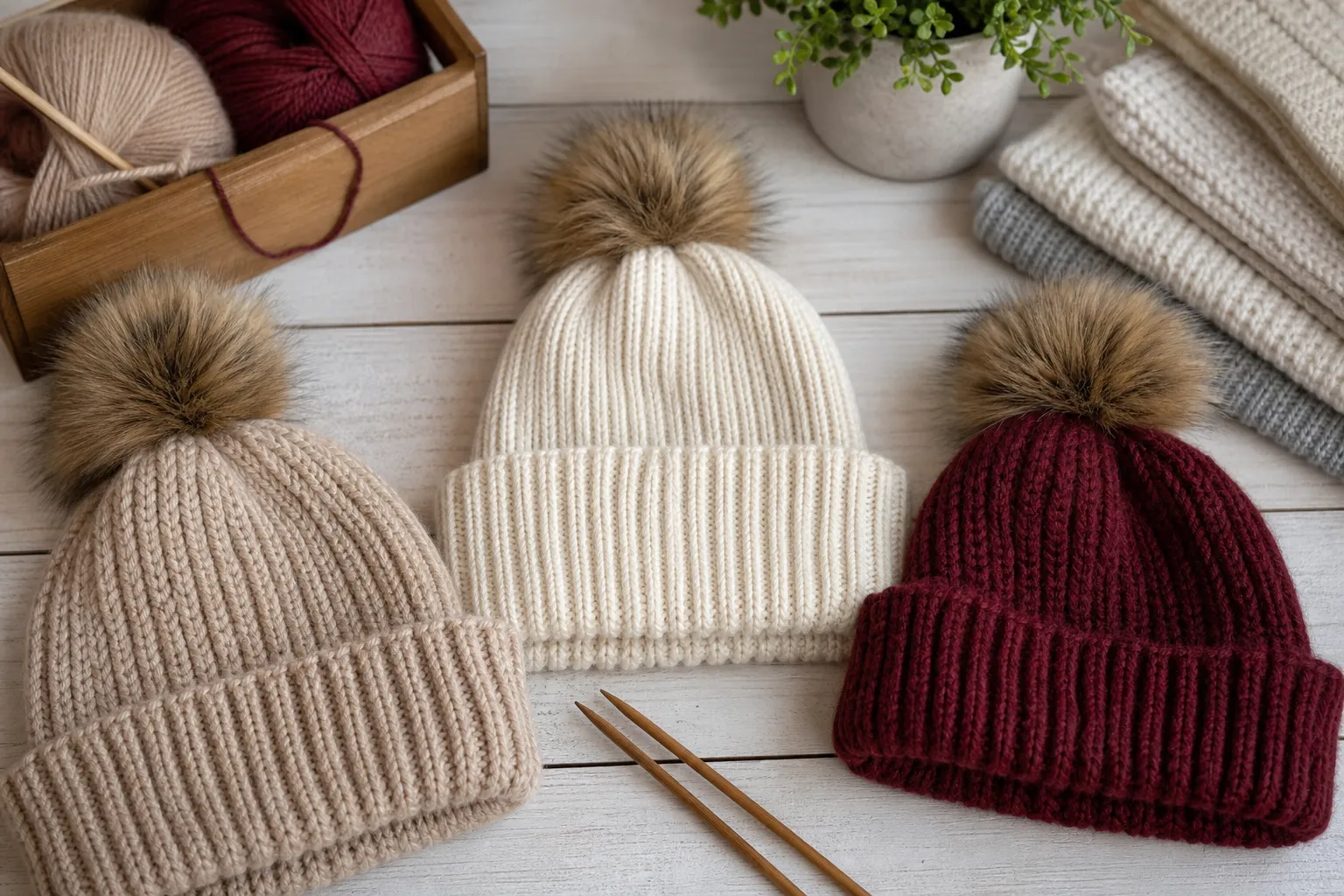
Knitting a beanie can seem daunting for beginners, but with the right guidance, you can create a cozy and stylish hat. A well-chosen beanie knitting pattern serves as a roadmap, helping you navigate from your first stitch to the final product. Essential steps include selecting the right yarn and needles, understanding basic stitches, and mastering techniques that enhance your knitting experience.
This guide provides actionable tips and comparisons of popular beanie knitting patterns, ensuring you have all the resources you need to get started.
Essential Steps for Knitting Your First Beanie
To knit your first beanie, start with the right materials and a straightforward approach:
- Select Yarn and Needles: Choose medium-weight acrylic yarn, which is forgiving and easy to work with. Pair it with US size 8 (5 mm) needles, ideal for most medium-weight yarns. Circular needles can be beneficial for knitting in the round.
- Choose a Simple Pattern: Look for a basic beanie pattern that includes ribbing for the brim and stockinette stitch for the body. A pattern with a gauge swatch will help ensure your beanie fits well.
- Cast On: Use the long-tail cast-on method for a stretchy edge. For a medium adult size, cast on around 80 stitches, adjusting based on the pattern or your head size.
- Ribbing: Knit the first few rows in a ribbing pattern (1×1 or 2×2) for a snug fit. Continue ribbing for about 2 inches before transitioning to the main body.
- Body of the Beanie: Switch to stockinette stitch (knit every row) for the body. Continue until your work measures approximately 7-9 inches from the cast-on edge, depending on desired slouchiness.
Comparison of Popular Beanie Knitting Patterns
When choosing a beanie knitting pattern, it’s essential to understand the differences between popular styles:
Slouchy Beanie: Known for its relaxed fit and extra fabric at the back, this style typically requires a moderate skill level. A common mistake is using yarn that is too thin, resulting in a less slouchy effect. Opt for a pattern designed for bulkier yarn.
Fitted Beanie: This pattern hugs the head closely, making it a great option for beginners. A fitted beanie usually requires basic stitches and can be completed quickly. Ensure to measure and possibly swatch for a proper fit.
Pom-Pom Beanie: This playful style can be fitted or slouchy. It typically requires an intermediate skill level due to extra finishing techniques. Ensure the yarn holds shape well; otherwise, the pom-pom may sag over time.
| Beanie Style | Skill Level | Yarn Type | Common Mistake |
|---|---|---|---|
| Slouchy | Moderate | Chunky | Thin yarn |
| Fitted | Easy | Medium weight | Size adjustments |
| Pom-Pom | Intermediate | Holds shape well | Weak pom-pom |
Common Mistakes to Avoid When Knitting Beanies
Beginners often encounter several common mistakes:
- Not Checking Gauge: A mismatch can lead to a beanie that’s too tight or loose. Always knit a gauge swatch before starting your project.
- Neglecting Yarn Weight: Using the wrong weight can affect the final size and warmth. Check the pattern specifications and select yarn that matches.
- Miscounting Stitches: This can ruin the shape of your beanie. Keep a stitch marker handy or take breaks to maintain focus.
- Overlooking Blocking: Blocking can help even out stitches and improve appearance. After completing your beanie, soak it in lukewarm water and lay it flat to dry.
By being mindful of these common mistakes, you’ll set yourself up for a more enjoyable knitting experience.
常见问题 FAQ
What type of yarn is best for knitting beanies?
Choosing Yarn for Beanies: Opt for wool or acrylic blends for warmth. Cotton can be lighter but may not provide the same warmth.
Adjusting Patterns for Size: Measure the intended wearer’s head and compare it to the pattern’s sizing chart. Adjust the stitch count as needed.
Finishing Techniques: Neatly weave in ends and use a stretchy bind-off to improve aesthetics and comfort. Avoid leaving long tails to prevent bulkiness.
Choose a soft, warm yarn like wool or acrylic for comfort and durability.
How can I adjust a beanie pattern for different sizes?
Modify the stitch count based on gauge swatch measurements and desired fit.
What are some beginner-friendly beanie patterns?
Look for patterns labeled as ‘easy’ or ‘beginner’ that focus on basic stitches and techniques.
How do I prevent my beanie from stretching out?
Use the right gauge and consider adding a tighter ribbing at the brim.
Can I knit a beanie in a single day?
Yes, with a simple pattern and focused time, it’s possible to complete a beanie in a day.
#新手入门与快速上手