Selecting the Ideal Nylon Shoelaces for Sports Footwear: A Comprehensive Guide
Nylon shoelaces are not just a mundane accessory; they play an essential role in both the functionality and aesthetics of sports footwear. In my experience within the competitive sports gear industry, the choice of shoelaces can significantly influence performance and user satisfaction. For B2B suppliers and manufacturers, grasping the intricacies of nylon shoelaces is crucial to meet market demands and enhance product offerings. This article delves into the key considerations for selecting the right nylon shoelaces for sports shoes, covering specifications, use cases, sourcing, and implementation.
Specifications of Nylon Shoelaces
When contemplating nylon shoelaces for sports footwear, several specifications warrant attention:
- Material Quality and Durability: Nylon is well-regarded for its strength and resilience, making it an optimal choice for sports applications. High-quality nylon shoelaces resist fraying and breaking, ensuring longevity even under rigorous use. This durability translates to fewer replacements, a significant selling point for B2B customers. For more on the types of shoelaces available, check out our Products – Jiaying Shoe Material Co., Ltd..
- Length and Thickness Options: Sports shoes come in various styles and sizes, necessitating a range of shoelace lengths and thicknesses. Offering customizable options allows businesses to cater to diverse consumer needs. Typically, lengths range from 36 inches to 72 inches, while thickness can vary from standard to extra thick, depending on the shoe design.
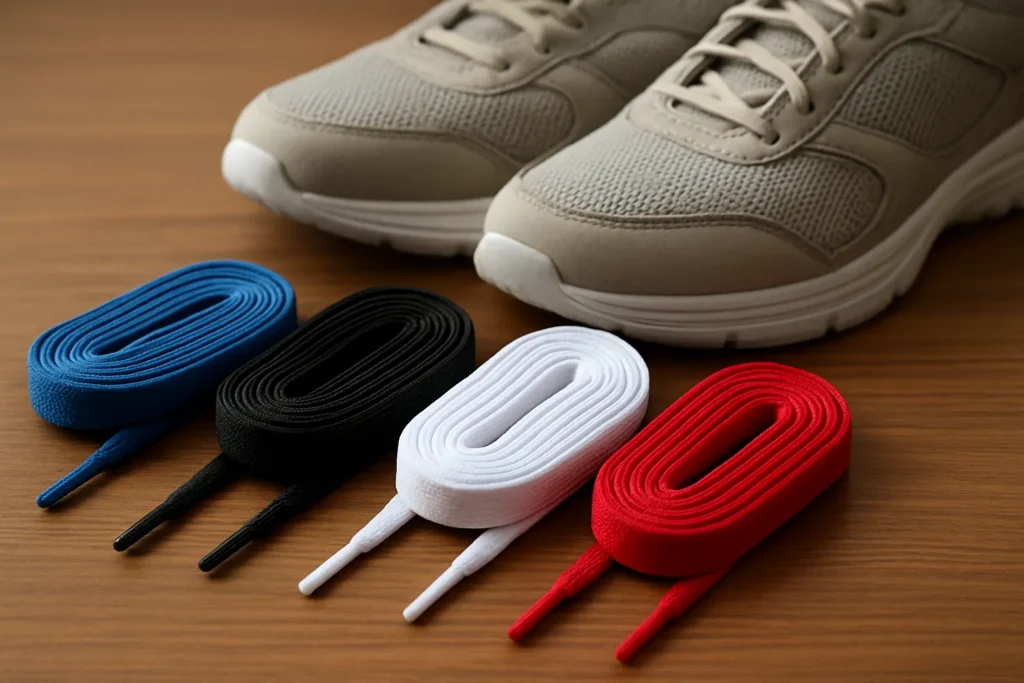
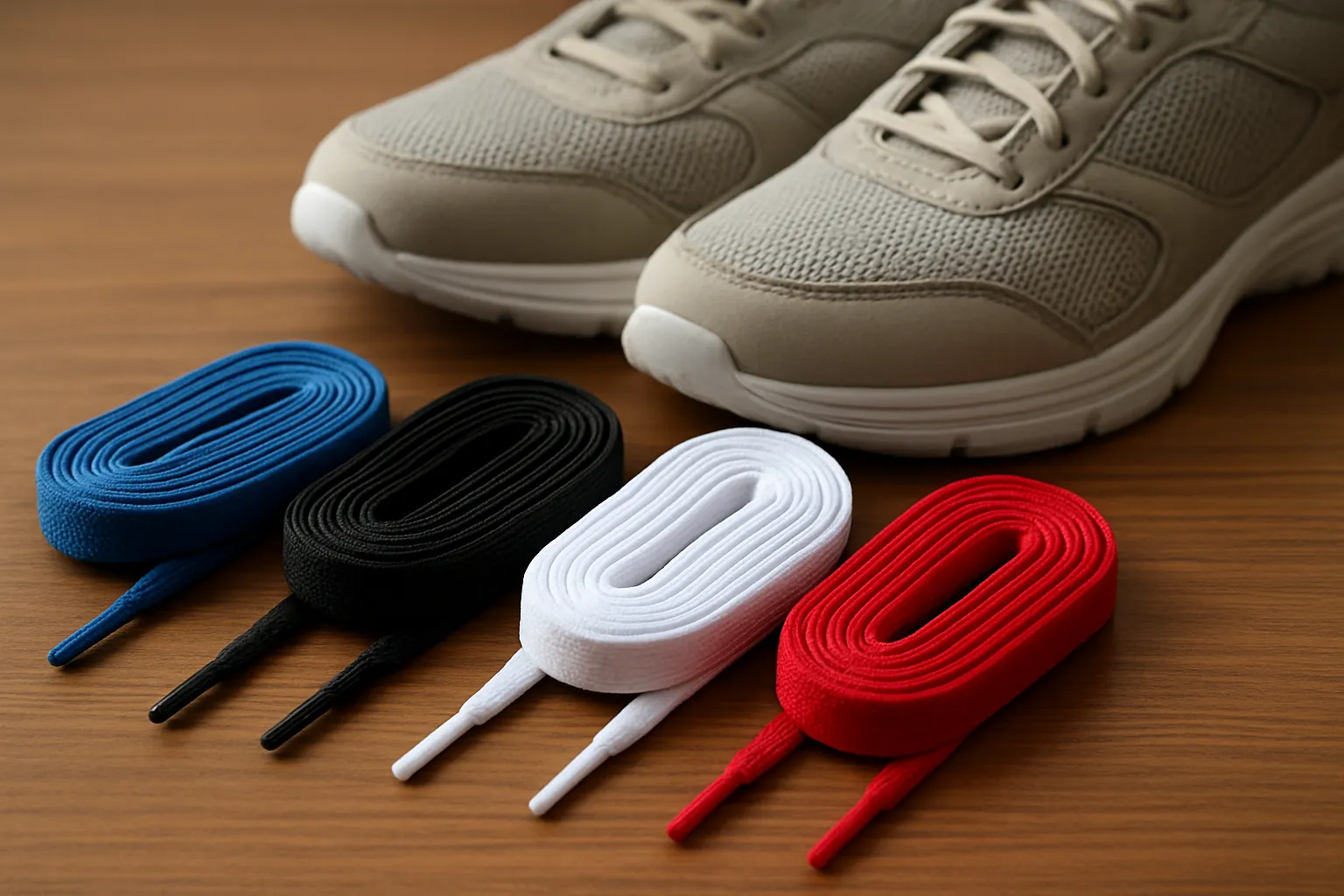
- Color and Design Variability: The aesthetic appeal of sports footwear is enhanced by the color and design of shoelaces. Nylon shoelaces can be dyed in numerous colors, allowing brands to match their laces with their shoe designs or team colors—this variability is crucial for marketing and brand differentiation.
Use Cases for Sports Shoes Shoelaces
Different sports have unique requirements that influence the choice of shoelaces:
- Sport-Specific Needs: Athletes in basketball, running, and soccer have distinct needs regarding shoelaces. For instance, basketball players may prefer thicker laces for added support, while runners might opt for lighter options to reduce weight.
- Performance Enhancements: The right shoelaces can enhance performance by providing a better fit and comfort. For example, elastic nylon shoelaces allow for quick adjustments and a snug fit, which is particularly beneficial in high-intensity sports. For insights on performance metrics, refer to this technical reference.
- Consumer Preferences: Understanding consumer preferences is vital for B2B suppliers. Feedback from athletes can guide the selection of shoelaces that meet their performance and comfort expectations, ultimately driving sales.
Comparing Nylon Shoelaces with Other Materials
A comprehensive analysis of nylon shoelaces compared to alternatives reveals several advantages:
- Advantages of Nylon: Unlike cotton or polyester, nylon shoelaces offer superior strength and elasticity. They are less prone to stretching and can maintain their shape and function over time, which is essential for sports applications.
- Cost-Effectiveness Analysis: While nylon may have a higher upfront cost than some materials, its durability and performance capabilities often lead to lower long-term costs. Fewer replacements mean reduced expenditure for consumers and retailers alike.
- Performance Metrics Comparison: When measuring performance metrics such as tensile strength, abrasion resistance, and moisture-wicking properties, nylon consistently outperforms other materials, making it a preferred choice for sports footwear.
Sourcing Nylon Shoelaces
Identifying reliable sources for nylon shoelaces is critical for manufacturers:
- Identifying Reliable Suppliers: B2B businesses should seek suppliers with a proven track record in producing high-quality nylon shoelaces. Evaluating supplier certifications and customer reviews can provide insights into their reliability.
- Bulk Purchase Considerations: Buying in bulk can significantly reduce costs. Businesses should negotiate terms that allow for flexibility in order quantities and delivery schedules to manage inventory effectively.
- Quality Assurance Practices: Implementing stringent quality control measures is essential. Regular inspections and testing of shoelaces can help ensure that they meet performance standards and customer expectations.
Implementation in Sports Footwear Production
Integrating nylon shoelaces into the production process requires careful planning:
- Integration with Manufacturing Processes: Manufacturers should consider how shoelaces are incorporated during assembly. Streamlining this process can improve efficiency and reduce production time.
- Customization Options: Offering customizable shoelaces can set a brand apart. Businesses can collaborate with clients to create unique designs that resonate with target audiences.
- Feedback Loop from End Users: Establishing a feedback mechanism with end users can provide valuable insights into the performance of nylon shoelaces, allowing for continuous improvement of products.
Frequently Asked Questions
Addressing common concerns about nylon shoelaces can help businesses make informed decisions:
- Common Concerns: Questions often arise regarding the environmental impact of nylon. While synthetic materials have a larger carbon footprint, advancements in recycling technologies are improving sustainability.
- Maintenance and Care Tips: Educating consumers on proper care can prolong the life of shoelaces. Simple practices like regular cleaning and avoiding excessive pulling can maintain their integrity.
- Warranty and Return Policies: Offering warranties on nylon shoelaces can enhance customer confidence. Clear return policies can also mitigate concerns about product quality and fit.
In conclusion, selecting the right nylon shoelaces for sports footwear involves a deep understanding of material specifications, use cases, and sourcing strategies. By prioritizing quality and performance, B2B suppliers can effectively meet the demands of the sports market. This knowledge not only enhances product offerings but also fosters stronger relationships with retailers and consumers, ultimately driving business growth in the competitive sports footwear industry.